
Ask ten drivers what a car means to them, and you will get ten different answers. For some it is a tool that gets the kids to school. For others it is a Saturday morning project in the garage, a weekend drive through the Peak District, or a spot in the car park at a local meet. That wide-ranging range of attitudes is exactly what an automotive lifestyle and car culture guide needs to cover.
This guide is written for UK drivers who want more from their cars, whether you are a first-time owner or someone who already knows their way around a spanner. We will look at what the lifestyle involves, where British car culture comes from, what it costs to keep up, how to choose the right car, how to look after it, and how technology is changing the scene. You will find practical advice you can use this week, not vague talk about passion.
What Automotive Lifestyle Actually Means
Most people assume an automotive lifestyle means owning something fast or expensive. It does not. It simply means the car plays a bigger role in your life than getting from A to B. That could be a tidy ten-year-old hatchback you wash every Sunday, or a restored classic that only comes out when the sun does.
Ownership Versus Belonging
Here is a view you do not hear often enough. The car is rarely the point. The people around it are. Ask a long-time member of any local car club, and they will tell you the same story: they joined for the cars and stayed for the company. That sense of belonging is what separates a casual owner from someone living the car enthusiast lifestyle. You can build it on a budget, too. A shared interest, a flask of tea and an hour in a supermarket car park on a Friday evening is how plenty of lasting friendships start.
How British Car Culture Took Shape
UK car culture has always been a little eccentric. We love small, characterful cars, wet weekend track days and a good argument about whether a car is better with or without power steering. That mix of humour and obsession is what makes the scene feel different from anywhere else.
Meets, Clubs and Cruises
Informal meets are the backbone of the scene today. Some are weekly gatherings, others are organised through owners’ clubs focused on a single make or model. If you are new, start by watching a few and talking to people. Most owners love sharing what they have learned, usually including the mistakes that cost them money. Respect matters here. Keep the revving down, leave the venue tidy, and you will be welcome back.
Motorsport and Rally Roots
Britain has a long motorsport heritage, from Brands Hatch to forest stages that have shaped generations of drivers. If that world interests you, our piece on rally racing as a unique motorsport shows why it still pulls such a loyal following. Even if you never race, watching a local event teaches you plenty about car setup, driver skill, and preparation.
What the Car Life Really Costs
Passion is easier to sustain when the budget is honest. Many enthusiasts burn out not because they lost interest, but because they underestimated the bills.
Fuel, Tax and Insurance
Running costs are the big three. Fuel prices move constantly, so it helps to understand petrol price per litre in the UK and why it changes before you plan a long drive. Tax is another fixed cost, and our guide to car road tax in the UK explains how to pay it without a penalty. Insurance often hurts most, which is why checking the cheapest cars to insure in the UK is smart before you fall for a model.
Cutting Insurance Costs as a Young Driver
New drivers face the steepest quotes. A smaller engine, a modest modification list and a secure overnight parking spot all help. Our breakdownof thee cheapest car insurance options for young drivers covers the practical routes.
Servicing and Surprises
Set aside a repair fund. Even a well-kept car throws up the odd surprise, from worn tyres to a failed sensor. Knowing how much a car service costs in the UK lets you budget properly rather than panic when the garage calls. A simple habit helps: put a small amount aside each month and treat it as untouchable.
Picking a Car That Matches Your Life
The best enthusiast car is the one you can afford to keep driving. A thirsty V8 looks great until the commute starts. Be honest about mileage, parking, passengers, and budget before you commit.
New or Used
Both routes work, depending on your priorities. If you prefer a warranty and the latest safety kit, read our advice on how to buy a new car and our negotiation tips for a lower car price. If you want character for less money, our used car buying tips will help you spot a bargain and avoid a money pit. Whichever way you go, always see the car in daylight and ask for the service history.
Caring for Your Car Like You Mean It
A cared-for car is a respected car. People notice when an owner has put in the effort, and it shows in resale value too.
Detailing and Longevity
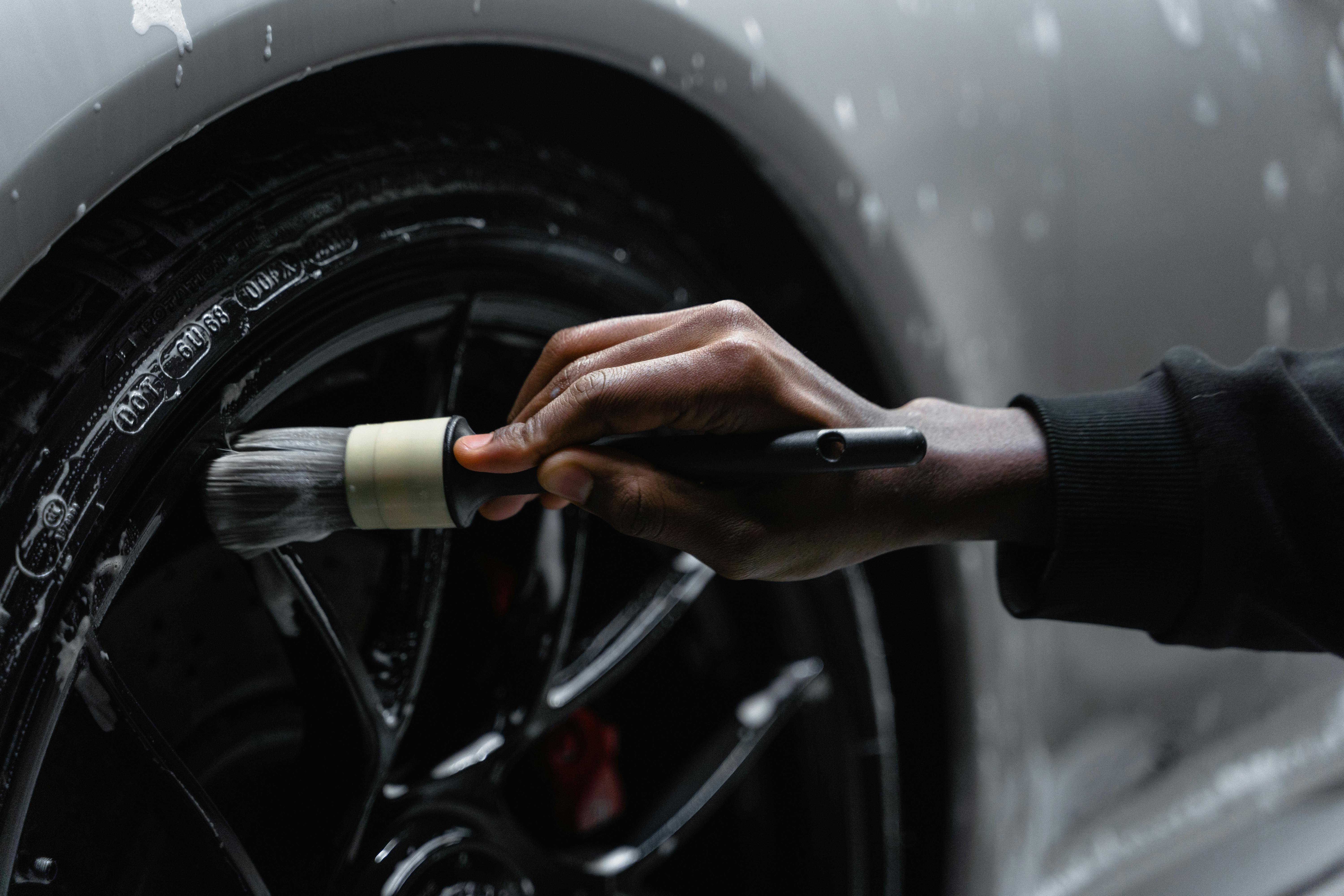
Regular washing, a decent wax,x and a tidy interior make a bigger difference than most people expect. Our car detailing tips are a good place to begin. Longevity matters just as much, and the factors that decide how long a car survives come down mostly to servicing habits and how you drive. Small jobs done early save large bills later.
Technology Is Changing the Scene
Some purists worry that electrification will end car culture. I think it will simply change it. Electric car culture is already forming around instant torque, clever tuning software and new kinds of meets.
EVs and Running Costs
If you are curious about the switch, compare electric car running costs against petrol before deciding. To see where things are heading, look at the car technology trends set to dominate driving. The cars will change, but the habit of gathering around them will not.
Driving Well Is Part of the Culture
Skilled drivers are calm drivers. Learning to prevent road rage protects your nerves and your safety, and protecting your licence whilst driving keeps your hobby alive. Good manners at meets and on the road are what keep the community welcome in public spaces.
Conclusion
An automotive lifestyle is built on three things: honest budgeting, regular care and good company. You do not need a rare car or a big garage. You need a vehicle that suits your life, a routine that keeps it healthy, and a few people who share the interest. Start small this month. Visit a local meet, check your running costs, book that overdue service, or give your car a proper detail. Then explore the guides linked above and keep building from there. The best part of car culture is that there is always something new to learn.
FAQs
What is an automotive lifestyle?
It is a way of living where cars are a real hobby or passion, not just transport. It can include clubs, maintenance, driving trips and motorsport.
How do I get into UK car culture on a budget?
Attend free local meets, join an owners’ club and buy a modest, reliable car. Learning basic maintenance yourself keeps costs down.
Are car meets legal in the UK?
Organised meets on private land with permission are fine. Antisocial behaviour such as street racing or loud revving can lead to fines or dispersal orders.
Will electric cars end car enthusiast culture?
Unlikely. Enthusiasts are already adapting with EV clubs, tuning and events, while classic and petrol car communities continue alongside.
How much should I budget for car maintenance each year?
It varies by age and model, but setting aside a fixed monthly amount for servicing, tyres and repairs is a sensible approach.