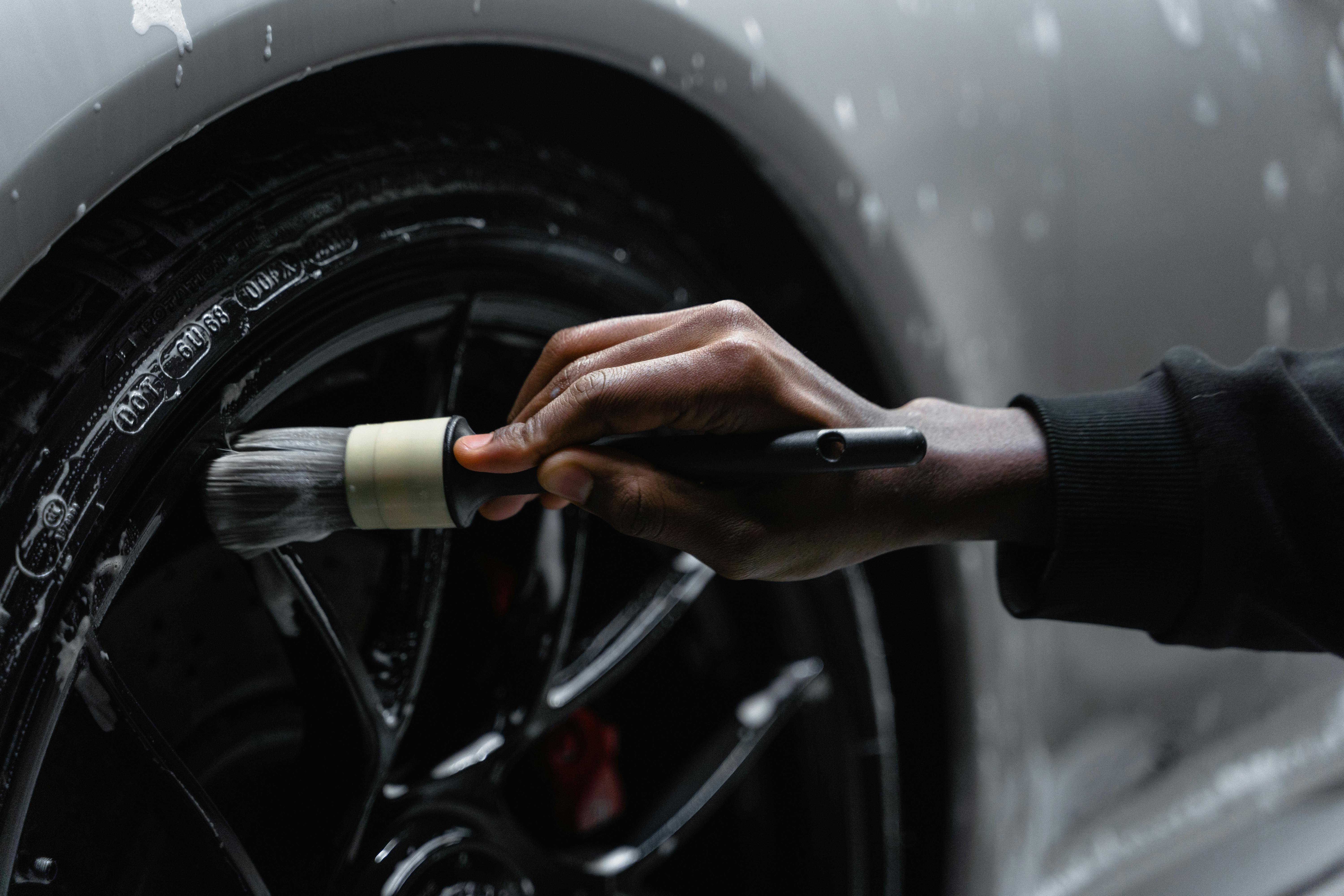

Every car has a life. Some cars last 8 years, while others run strong for 20 years or more. The difference isn’t always the make or model—it’s often how the car is maintained and used over time. Understanding key factors that affect longevity can help you make smart ownership decisions, avoid costly repairs, and extend your vehicle’s life.
Daily Decisions That Shape Longevity
Small, consistent habits matter more than occasional perfection. Driving style, early attention to warning signs, and adherence to routine maintenance combine to determine a car’s lifespan.
- Smooth driving reduces stress on the engine, transmission, and suspension.
- Timely oil changes prevent internal wear and sludge formation.
- Early repairs stop minor issues from becoming catastrophic failures.
Real-world ownership patterns show that cars driven carefully and serviced regularly often outlast similar models that are driven aggressively or maintained inconsistently—even when both share the same engine and platform.
Expert Signals: Maintenance Benchmarks and Real-World Patterns
Long-term vehicle data shows a clear pattern: cars that follow basic maintenance benchmarks consistently live longer than those that don’t. These aren’t expensive or advanced tasks—they’re simple steps every experienced owner understands.
- Engine Oil: Vehicles that receive regular oil changes often exceed 200,000 miles without major engine problems. Skipping or delaying oil changes accelerates wear, overheating, and sludge formation.
- Cooling System: Cars with on-schedule coolant replacements experience fewer head gasket failures and overheating issues. Neglected coolant loses protective properties, speeding internal corrosion.
- Transmission: Vehicles with serviced transmission fluid last longer and shift smoothly, while neglected transmissions can fail between 100,000 and 150,000 miles.
Consistency beats perfection. Smooth driving, timely service, and routine inspections significantly improve a car’s long-term reliability.
Car Maintenance Schedule Explained
| System / Component | Recommended Service Interval | Impact on Car Lifespan | Expert Notes |
|---|---|---|---|
| Engine Oil & Filter | Every 5,000–7,500 miles | Prevents sludge, wear, and overheating; engines often reach 200,000+ miles | Use OEM or high-quality synthetic oil for best results |
| Coolant / Radiator | Every 2–5 years or 30,000–60,000 miles | Reduces overheating, corrosion, and head gasket failures | Flush the system if the old coolant is rusty or contaminated |
| Transmission Fluid | Every 30,000–60,000 miles (check manual) | Smooth shifting prevents slipping and early transmission failure | “Lifetime” fluid still benefits from periodic inspection and replacement |
| Brake Fluid | Every 2 years | Prevents corrosion in the master cylinder and calipers; ensures stopping power | Use the DOT type recommended in your manual |
| Brake Pads & Rotors | Pads: 25,000–50,000 miles Rotors: 50,000–70,000 miles | Maintain safe braking and prevent rotor damage | Inspect visually every oil change |
| Tires | Rotate every 5,000–7,500 miles. Replace at 40,000–60,000 miles | Prevents uneven wear; improves fuel efficiency and handling | Check air pressure monthly |
| Spark Plugs | Every 30,000–100,000 miles (depends on type) | Ensures efficient combustion; prevents misfires and rough running | Replace per the manufacturer’s recommendations |
| Air Filter | Every 12,000–15,000 miles | Improves fuel efficiency and engine longevity | Replace sooner in dusty conditions |
| Drive Belts / Timing Belt | 60,000–100,000 miles | Prevents catastrophic engine damage | Timing belt replacement is critical; consult the manual |
| Battery | Every 3–5 years | Ensures reliable starting and electrical system performance | Test voltage yearly; clean terminals |
| Suspension / Shocks | Inspect every 50,000 miles | Maintains handling, reduces wear on tires and chassis | Replace worn components promptly to avoid uneven tire wear |
FAQs
Q1: How often should I change my engine oil to maximize car lifespan?
A1: Change oil every 5,000–7,500 miles or as your manual recommends. Regular oil changes prevent sludge and help engines reach 200,000+ miles.
Q2: What is the most critical maintenance for preventing overheating?
A2: Cooling system care. Replace coolant every 2–5 years to prevent overheating, corrosion, and head gasket failures.
Q3: How long do transmissions typically last with proper care?
A3: With periodic fluid service, transmissions often exceed 150,000–200,000 miles. Neglect can cause failure between 100,000 and 150,000 miles.
Q4: Can driving habits really affect my car’s longevity?
A4: Yes. Smooth driving, gradual warm-ups, and avoiding aggressive acceleration reduce engine, transmission, and suspension stress, extending overall lifespan.
Q5: Are certain car models inherently longer-lasting?
A5: Not necessarily. Longevity depends more on maintenance and ownership habits than on the car model itself.
Conclusion
A car’s life is shaped far more by daily decisions than by factory specifications. Vehicles last longer when owners understand that small, consistent actions—timely oil changes, smooth driving, and early problem detection—compound over time.
Cars that survive well beyond expectations are rarely special models. They are ordinary vehicles that received steady care, correct fluids, and responsible use. Conversely, many modern cars fail early not because of poor design, but because basic maintenance was delayed or ignored.
If you want your car to last, focus on proven habits rather than shortcuts. Follow maintenance benchmarks, respect mechanical limits, and respond early to warning signs. These simple practices build long-term reliability, reduce repair costs, and ultimately determine how long a car survives.
A car’s life is not random. It is the result of informed ownership.