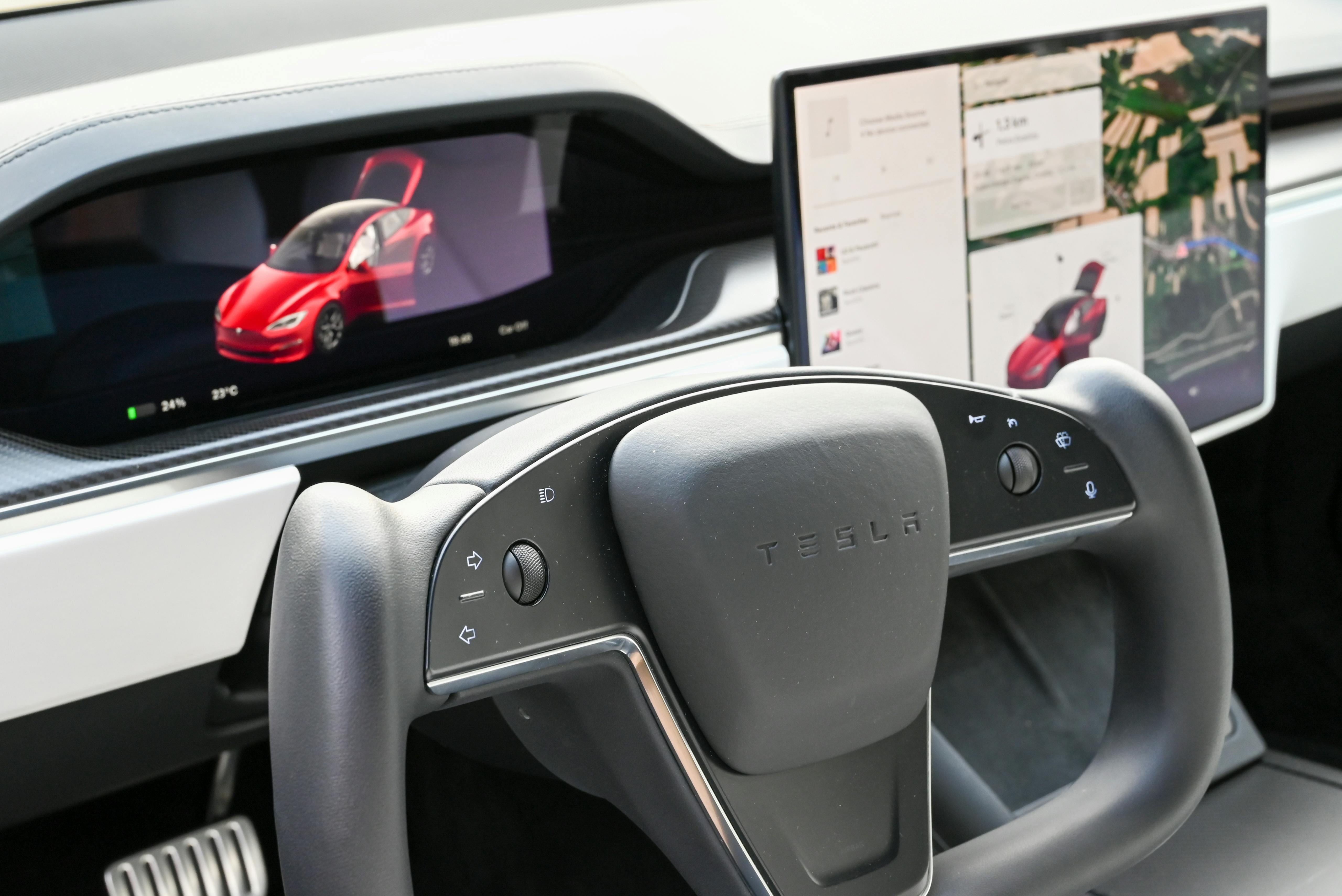

Cars are changing faster than ever before. What used to be a simple machine with an engine and four wheels is now packed with sensors, screens, and smart software. If you have driven a new car in the last few years, you have probably noticed the shift already. This article looks at the car technology trends that are shaping how we drive today and how we will drive tomorrow. We will keep things simple, so you do not need to be a car expert to follow along.
Why Car Technology Is Changing So Fast
A few things are pushing this change forward. Drivers want more safety. Governments want lower emissions. And companies want to stand out in a busy market. Put these together, and you get a wave of new features arriving in cars every year. Rising petrol prices have also pushed many buyers to think differently about how they power their cars. This has opened the door for new technology to take over parts of the driving experience that used to be simple and mechanical.
Top Car Technology Trends Shaping the Future
1. Electric Vehicles Are Becoming the Norm
Electric cars are no longer a niche choice. More brands are launching electric models every year, and charging networks are growing across the UK. Many drivers are now comparing electric car running costs vs. petrol before making their next purchase. Battery technology keeps improving too. Cars can now travel further on a single charge, and charging times keep getting shorter. This trend is likely to grow stronger over the next decade.
2. Self-Driving Features Are Getting Smarter
Full self driving cars are still not common on UK roads. But many new cars already come with features that handle part of the driving for you. Lane keeping, automatic braking, and adaptive cruise control are now common in mid-range cars, not just luxury models. These features do not replace the driver yet. Instead, they act like a second pair of eyes, helping to reduce accidents caused by tiredness or a quick lapse in attention.
3. Connected Cars Talk to the World Around Them
Connected car technology lets your vehicle share and receive information in real time. This can include traffic updates, weather alerts, and even data about nearby cars. Some systems can warn you about a hazard on the road before you can even see it. This kind of connection also means your car can send data to your phone. You can check fuel levels, lock the doors, or even start the engine from an app.
4. AI Voice Assistants Are Taking Over the Dashboard
Voice assistants in cars have come a long way. You can now ask your car to change the temperature, find a nearby petrol station, or read out a text message. These systems use artificial intelligence to understand natural speech, not just fixed commands. This makes driving safer because your hands stay on the wheel and your eyes stay on the road.
5. Advanced Safety Systems Are Standard, Not Optional
Safety technology has moved from an extra feature to a basic expectation. Blind spot warnings, automatic emergency braking, and driver attention monitors are now fitted in most new cars sold in the UK. Insurance companies have noticed this shift too. Cars with strong safety features often qualify for lower premiums, which connects directly to guides like cheapest cars to insure in the UK.
6. Smart Navigation and In-Car GPS
Old GPS systems only showed you a route. Today’s systems predict traffic, suggest charging stops for electric cars, and update maps automatically. If you want to understand how this technology actually works, our guide to in-car GPS breaks it down in simple terms.
A Quick Look at Key Car Technology Trends
| Trend | What It Does | Why It Matters |
|---|---|---|
| Electric Vehicles | Runs on battery power instead of petrol | Lower running costs and fewer emissions |
| Self-Driving Features | Assists with steering, braking, and speed | Reduces accidents from human error |
| Connected Cars | Shares real-time data with drivers and devices | Improves safety and convenience |
| AI Voice Assistants | Understands natural speech commands | Keeps drivers focused on the road |
| Advanced Safety Systems | Monitors surroundings and driver behavior | Helps prevent crashes and lowers insurance costs |
| Smart Navigation | Predicts traffic and plans smarter routes | Saves time and reduces stress |
How These Trends Affect Everyday Drivers
You do not need to buy a brand new car to feel the impact of these trends. Many of these features are now available as updates on existing models, or they influence how car servicing works. For example, cars with more sensors and computers often need specialized checks, which can affect how much a car service costs in the UK. Insurance is changing too. As we mentioned earlier, safer cars can mean lower premiums, and this trend lines up closely with the numbers shown in the average car insurance cost in the UK report. Even road tax is shifting because of these trends. Electric and low-emission cars often qualify for reduced rates, so it is worth checking the latest rules in our car road tax guide.
Challenges Facing New Car Technology
New technology brings real benefits, but it also comes with a few challenges. It helps to know these before you get too excited about your next car purchase.
- Higher upfront costs for cars with advanced tech
- Limited charging infrastructure in some areas
- A learning curve for older drivers used to simpler cars
- Software glitches that can affect newer systems
- Privacy concerns around data sharing in connected cars
None of these challenges are stopping the trend. But they do explain why adoption takes time, even when the technology itself is ready.
Tips for Drivers Adapting to New Car Technology
If you are planning to buy a car with newer technology, a few simple steps can make the switch easier.
- Test drive the car before buying, and try out every feature
- Ask the dealer to explain safety systems in plain language
- Check your insurance quote early, since features can affect the price
- Keep your car’s software updated, just like you would a phone
- Read the manual for voice assistant commands, since they vary between brands
Taking these steps helps you avoid surprises and get real value from your investment.
What This Means for the Future of Driving
Car technology is not slowing down. Over the next few years, we can expect electric vehicles to become more affordable, self-driving features to expand, and connected systems to become even more common. Young drivers researching their first car should also look into cheap car insurance options for young drivers, since new safety tech is already shaping those prices. For most drivers, this means a safer, smoother, and more connected experience behind the wheel. The cars of the future will not just take you from one place to another. They will actively help you get there safely.
Frequently Asked Questions
1. What is the biggest car technology trend right now?
Electric vehicles are currently the biggest trend, with more models and charging stations appearing across the UK every year.
2. Are self-driving cars available in the UK yet?
Full self driving cars are not yet common, but many new cars include driver-assist features like lane-keeping and automatic braking.
3. Do connected car features cost extra?
Some connected features come as standard, while others may require a subscription or a one-time software purchase.
4. Will new car technology increase my insurance cost?
It depends on the car. Many safety features can actually lower your insurance, while high-value tech components may raise it slightly.
5. How often should I update my car’s software?
Check for updates every few months, similar to how you would update a smartphone, to keep systems running smoothly and safely.
Final Thoughts
Car technology trends are reshaping driving in ways that matter to everyday people, not just tech fans. From electric power to smarter safety systems, these changes are making cars safer, cleaner, and easier to use. Staying informed helps you make better choices, whether you are buying a new car or simply curious about where driving is headed next.